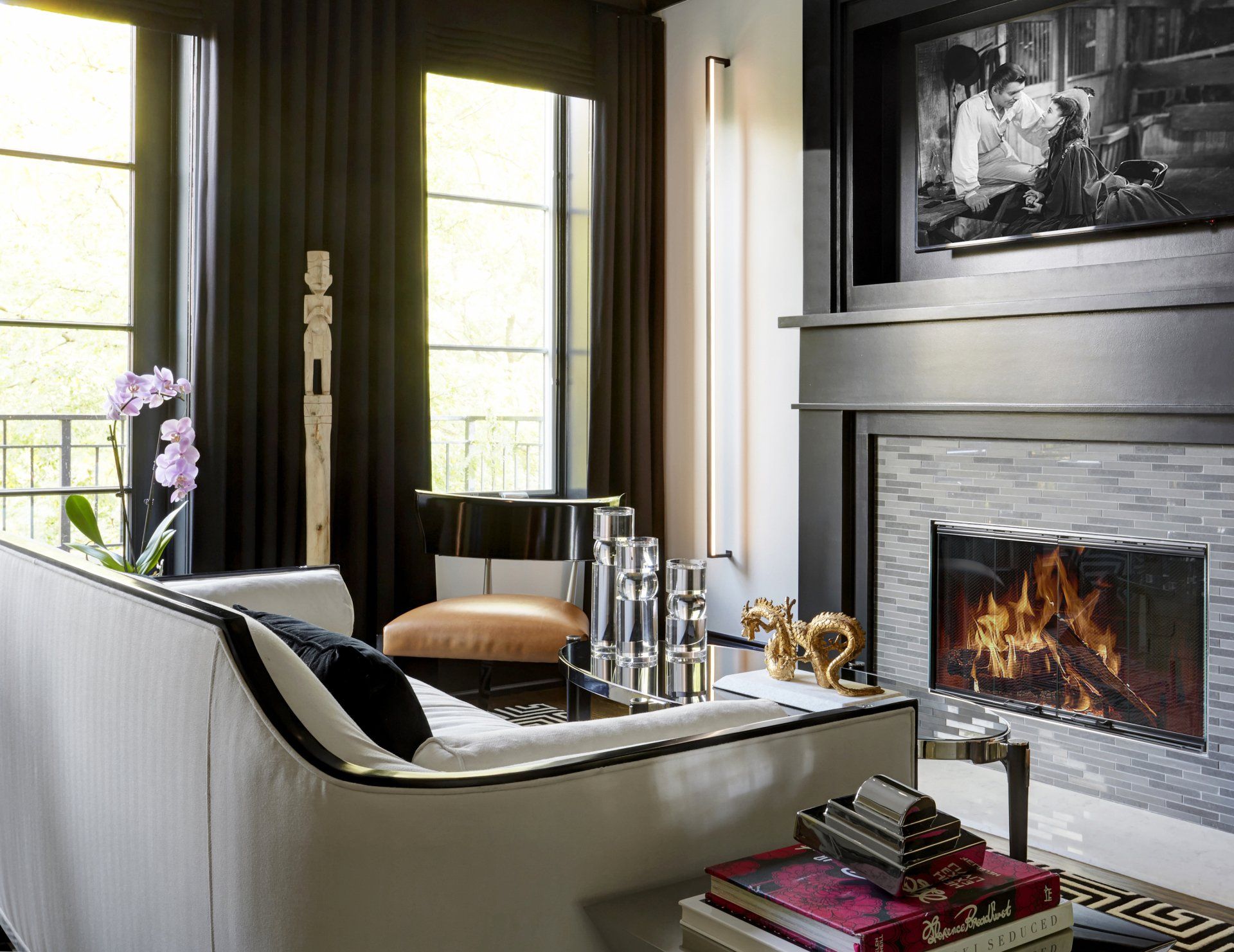
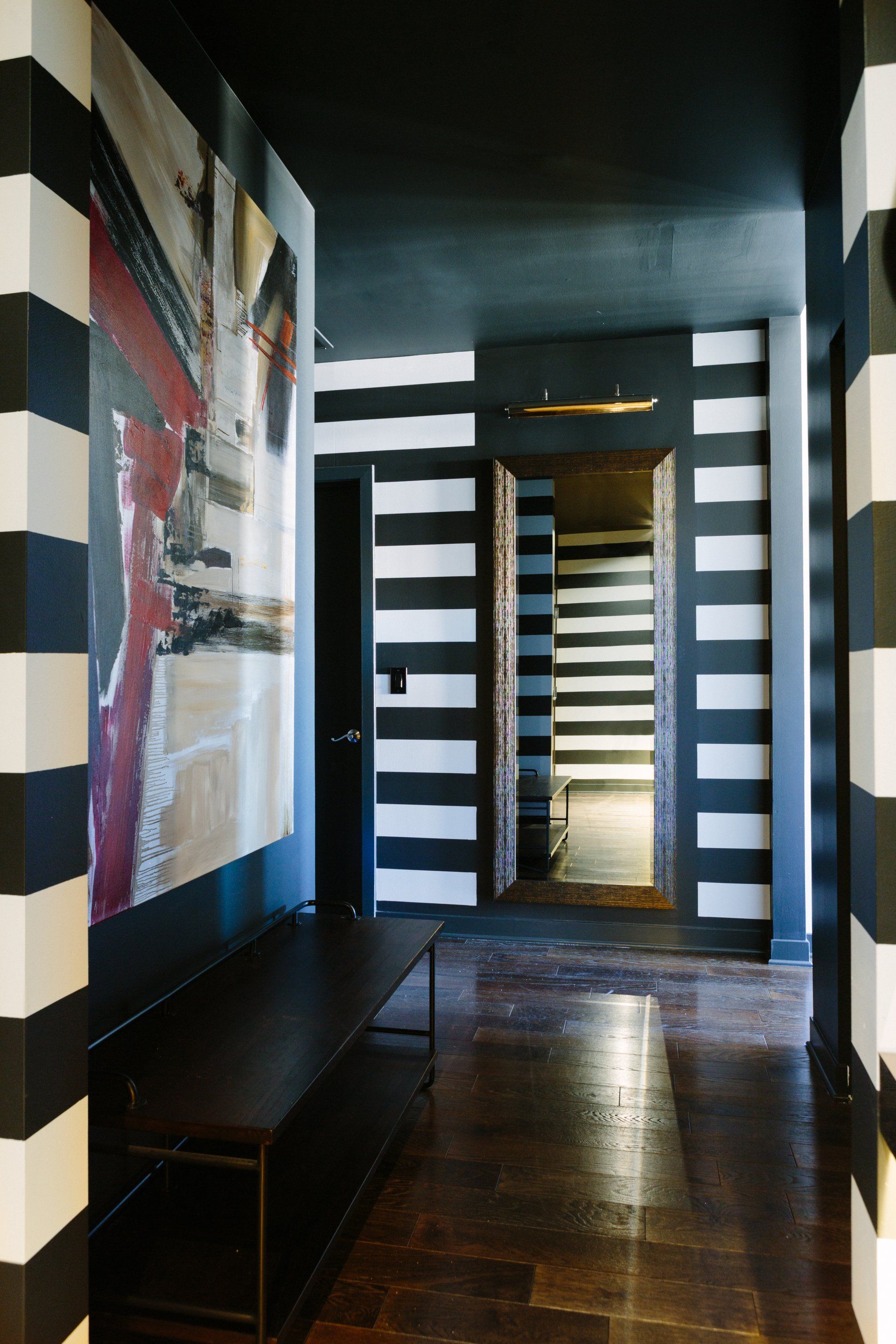
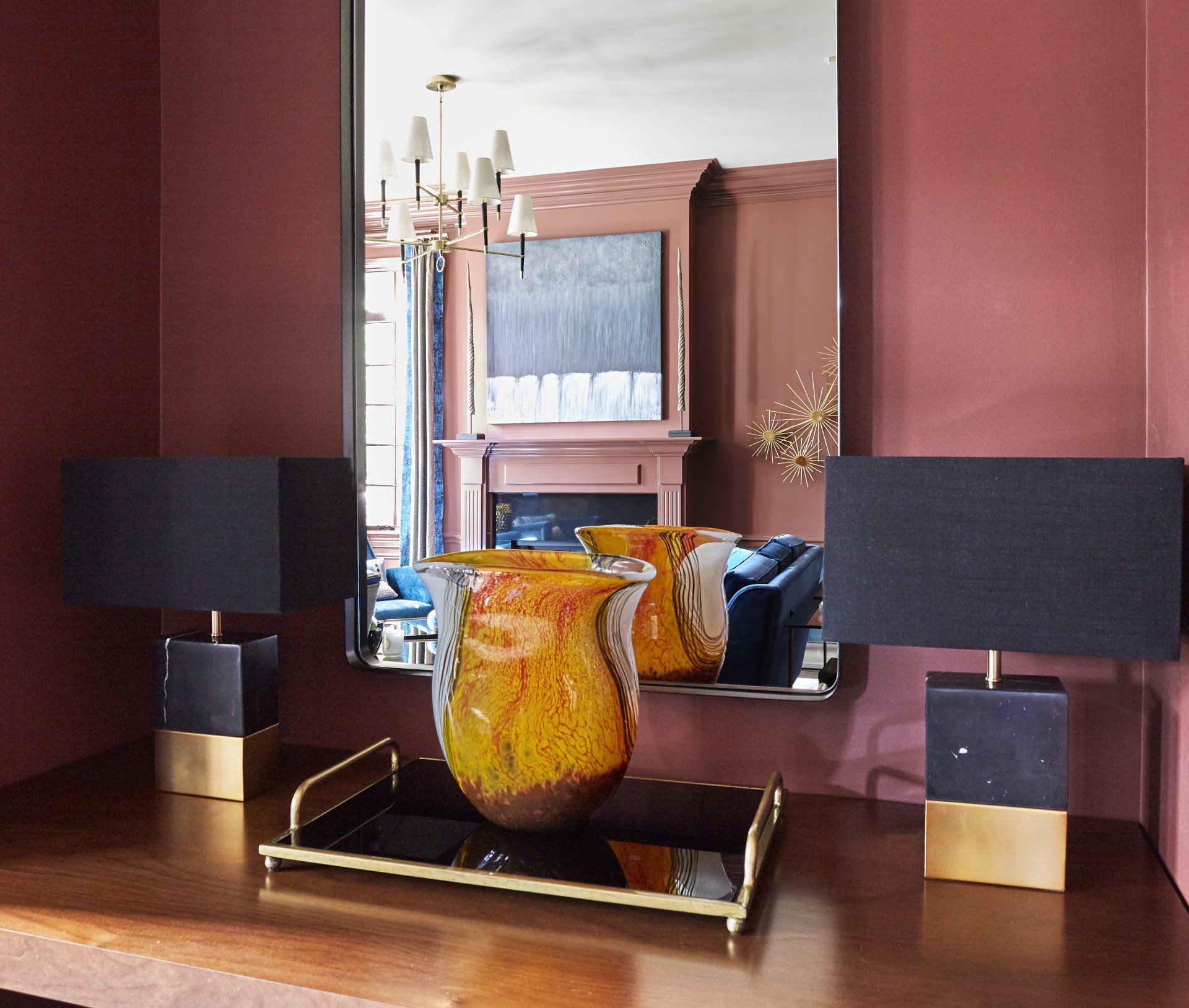
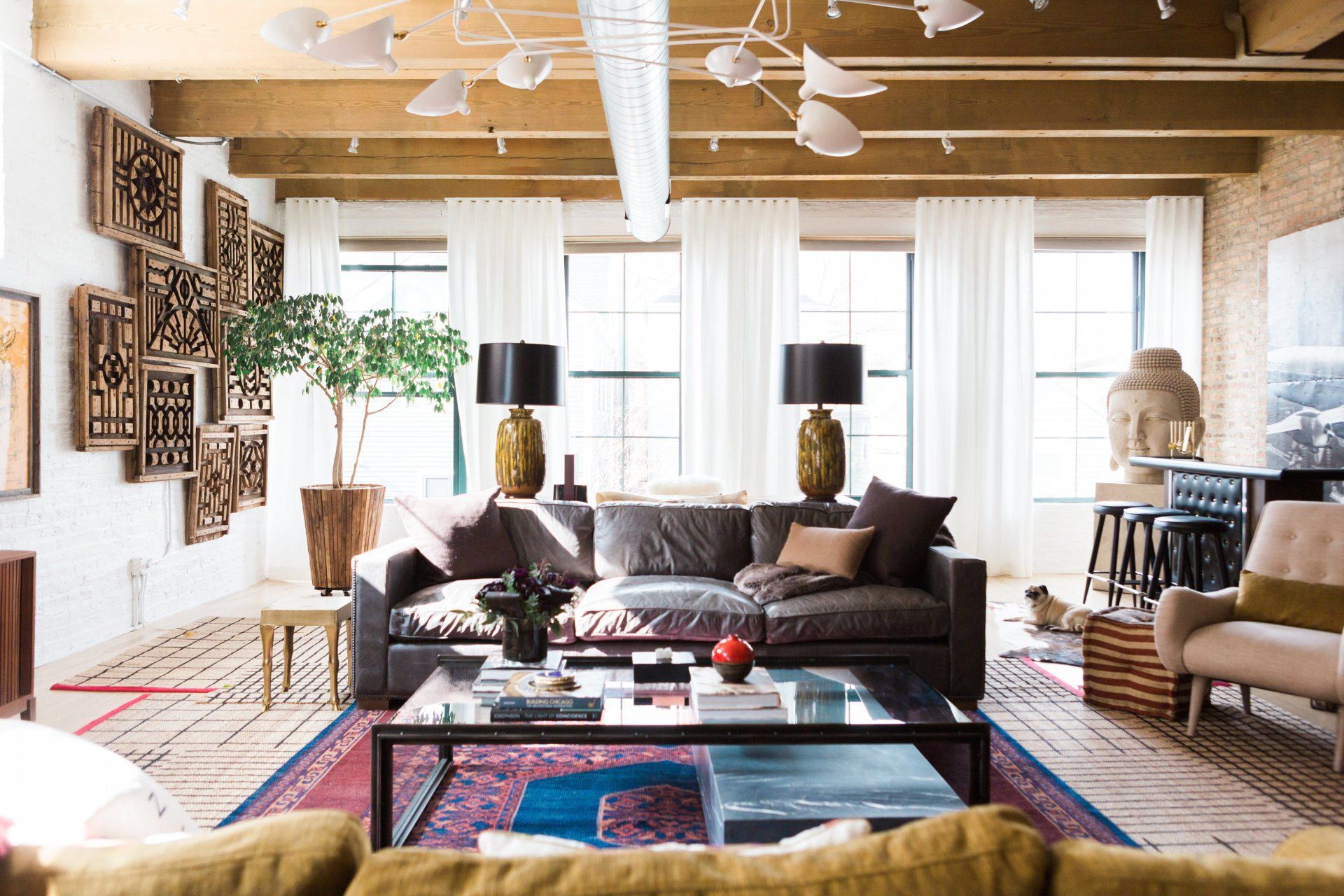
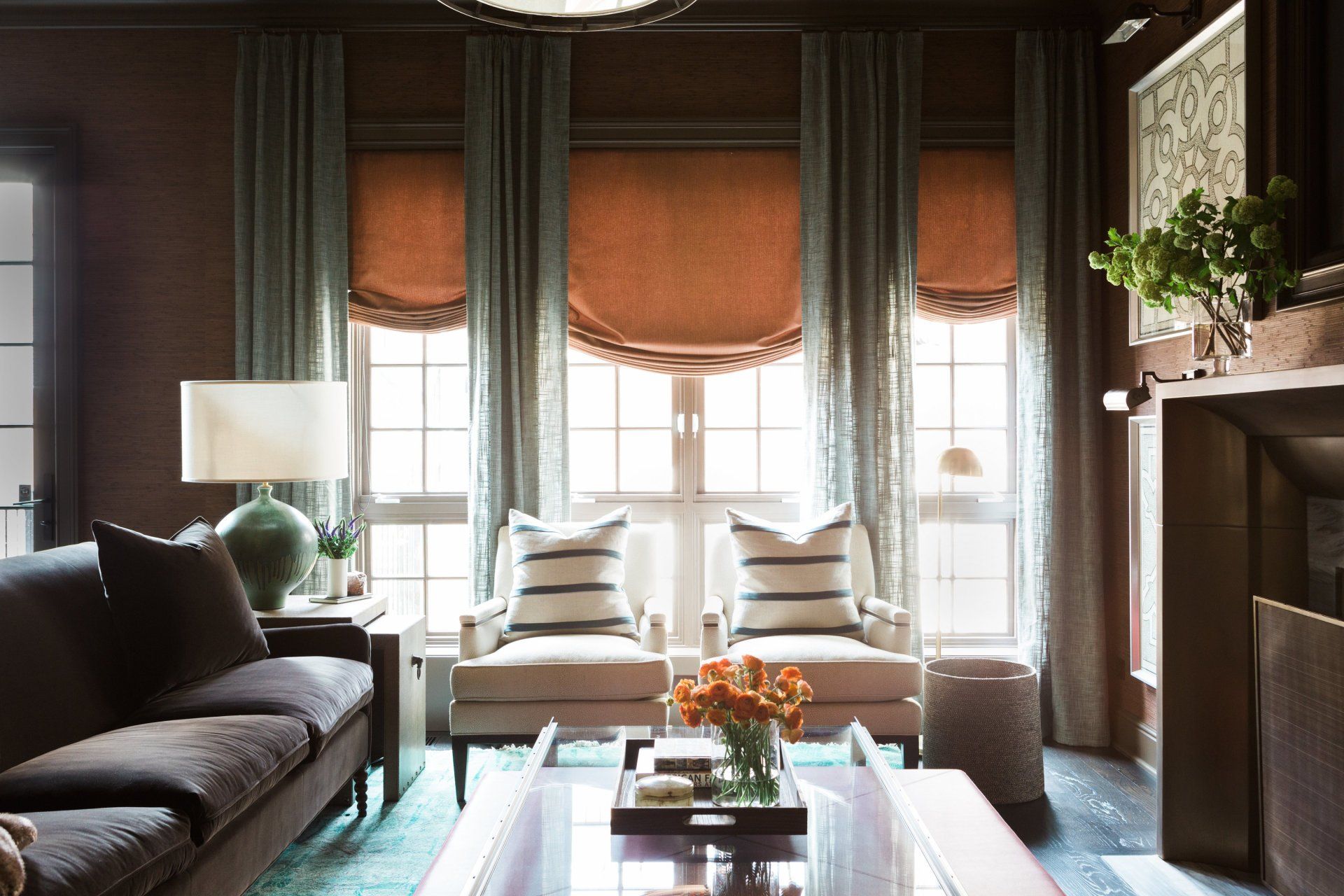
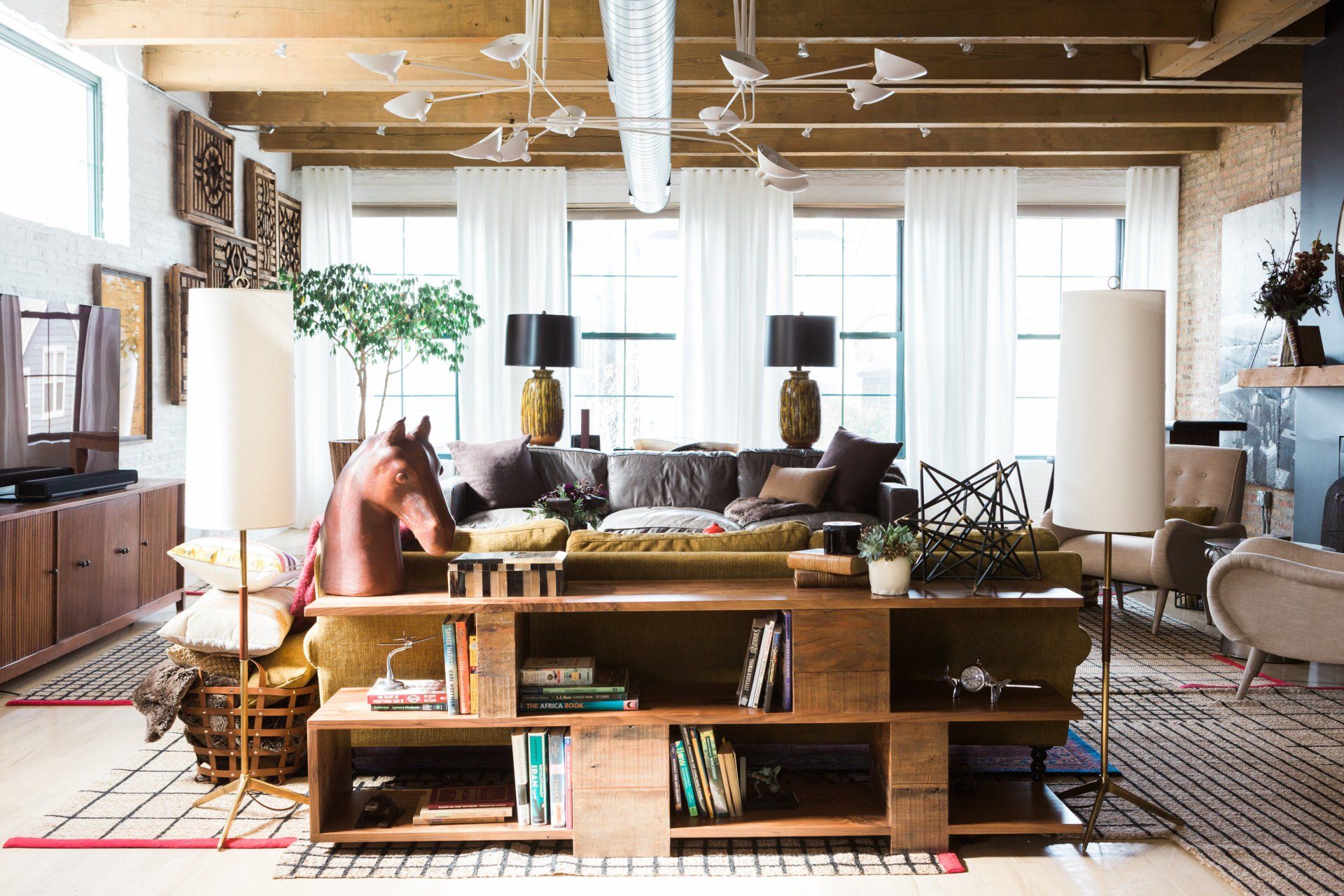
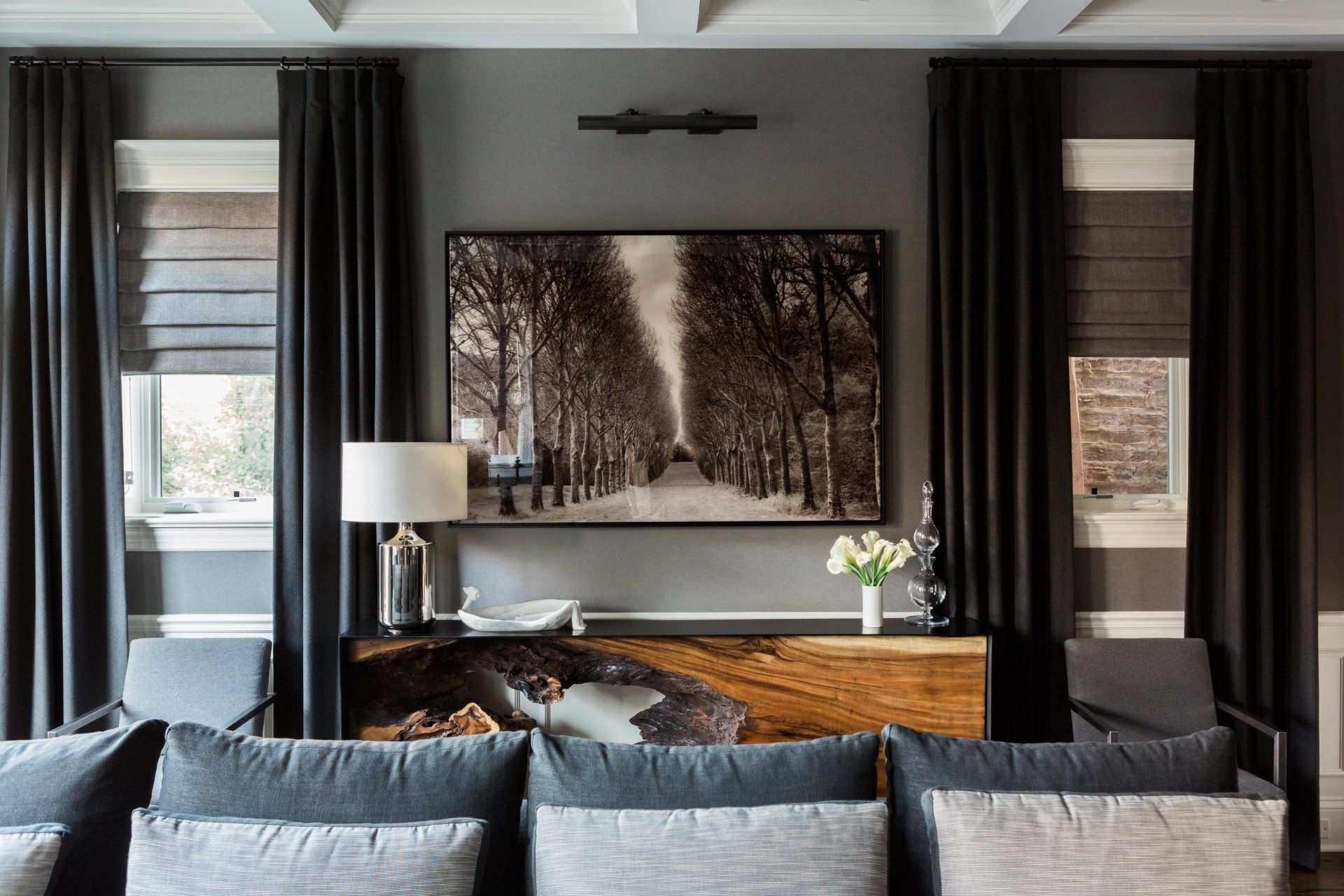
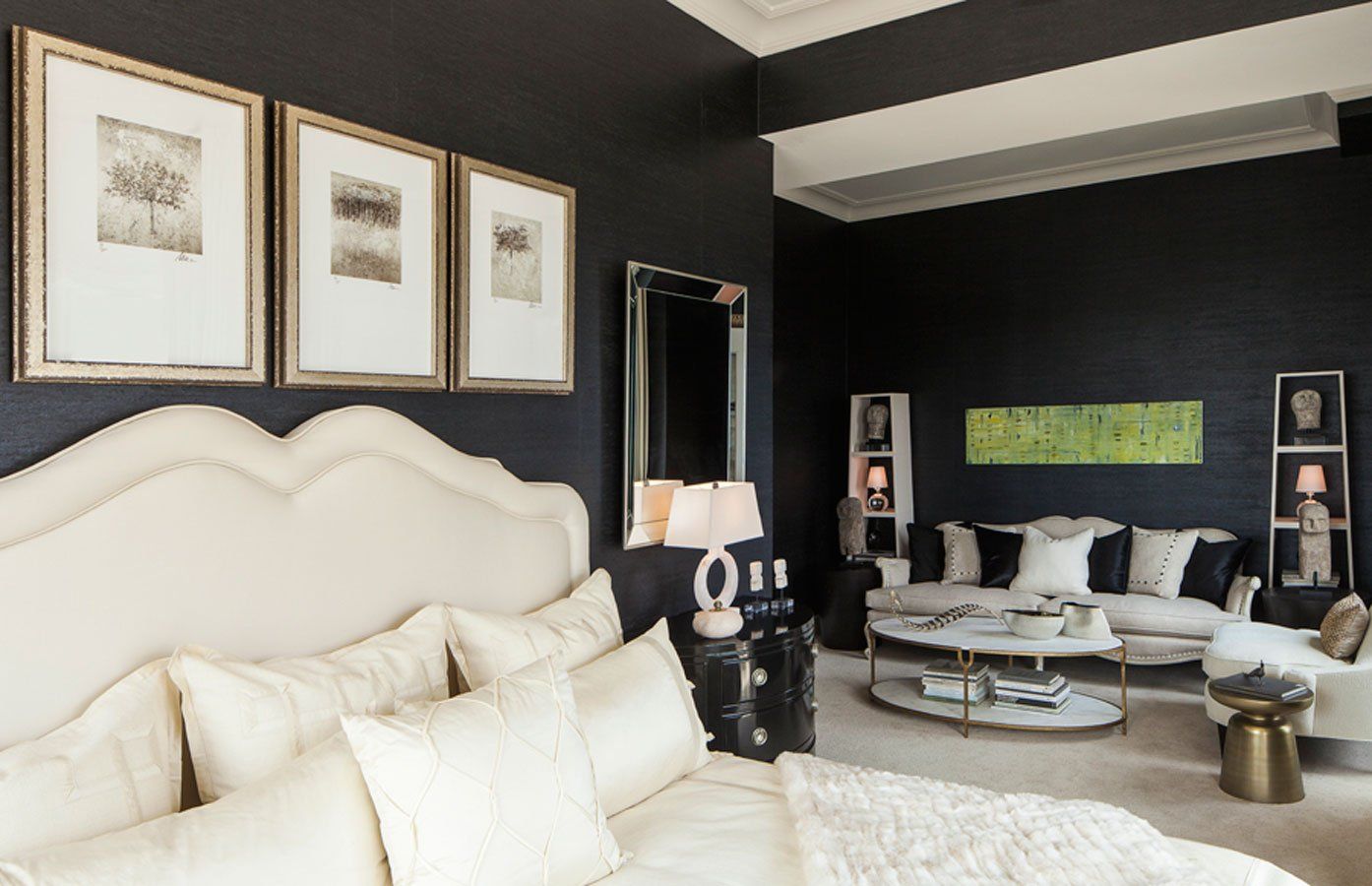
Elevated interiors, tailored for Chicago’s finest

VIEW PROJECTS

AWARD-WINNING INTERIOR DESIGNER

Meet Anthony Michael

Anthony is regularly named as one of the top interior designers in Chicago and various metropolitan areas such as San Francisco, NYC, Naples, New Buffalo, Scottsdale, Miami, Los Angeles, Belair, Nassau Bahamas and more in addition to numerous other projects in Chicago and the suburbs.


With offices in Chicago and Los Angeles, he works with bicoastal clients. His work has been featured in LUXE as a LUXE Gold Designer, House Beautiful, Traditional Home, The Wall Street Journal, Architectural Digest, Modern Luxury and more. 


With over 35 years of experience, Anthony Michael is to interior design what Sir Alec Guinness was to acting— able to handle radically different roles, his talent comfortably manifesting itself behind many faces. While hard to typecast, he dares to cross the lines of convention to try what is visually bold and dramatic , but never jarring.

MORE ABOUT US

FEATURED PROJECTS

We selected Anthony Michael Interior Design for our new city condo. We are more than thrilled with the outcome- from wall coverings to lighting,  furniture & light construction. 

Their edge mixed with classic traditional was exactly what we were looking for. Sophisticated elegance!! Every team member was a compliment to each other.

- Frank Cuomo

FEATURED PRESS

FROM THE BLOG

February 5, 2026
Every year, the interior design world pauses to see what direction color trends might take next. When Pantone announced its 2026 Color of the Year as Cloud Dancer, the reaction was immediate and divided. Some designers welcomed the calm, airy tone. Others saw it as a step backwards after years of richer, more expressive palettes.  For homeowners planning a renovation or refresh, the bigger question is practical rather than theoretical/ Does this muted, off-white tone mean minimalist interiors are about to dominate again? If so, do you have to follow? What Is "Cloud Dancer?" Cloud Dancer — or PANTONE 11-4201 — sits firmly in the soft neutral family. Pantone describes it as gentle, atmospheric and restorative. It’s a shade meant to suggest pause and comfort rather than drama. Visually, it reads as a diaphanous white with gray undertones, closer to mist than to bright gallery white. The intent is clear. After years of visual noise and saturation trends, the color signals restraint. The message, however, has not landed well with everyone. Industry commentaries include polite skepticism and outright disappointment, and many designers view the selection as underwhelming. Homeowners value color-forward interiors and are not keen on any return to blank-feeling spaces. Recall 2025 and the Reign of Warmth and Personality The frustration around Cloud Dancer makes more sense when you look at recent interior design history. Over the past few years, interiors have moved decisively away from cool grays and stark whites. Homeowners embraced warmer, moodier palettes that felt personal and lived-in. Recently, fall pigment trends pointed to deep, comforting hues like terracotta and brick red that signaled familiarity and warmth to match Mocha Moose — the 2025 Color of the Year. Compared with those saturated, expressive tones, Cloud Dancer feels almost withdrawn. The contrast is sharp enough that you may see it as an invitation to rewind the clock to minimalism. Why You Don't Have to Follow the Leader Pantone's Color of the Year is often treated like a rulebook, but it isn't one. It's a signal, not a directive. Cloud Dancer may reflect a collective craving for calm, yet that doesn't mean your home has to drift toward sparse rooms and barely-there palettes. One reason neutral trends gain so much power is because of long-standing myths about color that scare homeowners into “neutral” territory. Perhaps you still believe lighter shades are the only way to make a space feel open, or that bold tones will automatically overwhelm a room. That thinking lingers even though it no longer reflects how designers and painters actually work. Challenging views on core interior color rules point out that dark shades, layered palettes and non-white ceilings can all work beautifully when balanced with light, texture and flow. The goal is to create a space that feels intentional and personal. Cloud Dancer does not override that, and you shouldn't read it as permission to erase color, contrast or warmth from your home. Instead, Pantone's Color of the Year 2026 can become the canvas upon which you create a lighter and more energized style. 5 Ways to Use Cloud Dancer Without Being Boring If Cloud Dancer pleases you, but you want to avoid a bland result, treat it as a supporting player. Pantone's own palette guidance leaves plenty of room for expression: Place it quietly with bolder choices: Cloud Dancer works best when it steps back. Use it on walls to give visual breathing room to statement furniture, oversized art or dramatic lighting. Pair it with muted color: Avoid minimalist-white interiors by pairing them with powdered pastels, dusty blues or softened greens for dimension and a relaxed mood. These chromatically diverse combinations speak of thoughtful selection that eliminates sterile spaces. Warm it with organic materials: Immediately shift the tone from sterile to lived-in with natural wood, woven textures, stone and plants. A pale backdrop soon becomes inviting. Introduce contrast through depth: Deep accent colors, aged metals or rich fabrics prevent Cloud Dancer from dominating the room. Contrast adds weight without tipping into visual chaos. Use it selectively: A single room or surface can benefit from a lighter neutral. That doesn't require your entire home to follow suit. Each of these approaches keeps your palette open and expressive, even when the base stays calm. The Verdict: Is Minimalism Making a Comeback? It's easy to read Pantone’s 2026 pick as a swing back toward minimalist interiors — especially after years of warmer, more personality-driven spaces — but trends rarely move in straight lines. Instead, they overlap, react and adapt. Just recently, designers were celebrating deeper, comforting hues that leaned into familiarity and warmth. That shift simply made room for another option. Cloud Dancer sits alongside those colors, not in opposition to them. Introducing the airy, atmospheric tone may bring some relief to overly saturated visual scapes. The almost-white hue may read as fresh and clean when paired with supporting pastels or rich metallic tones. A Bigger Takeaway Cloud Dancer may reflect a cultural moment that values pause and ease, but it doesn't demand a return to pale, stripped-back interiors. Minimalism is a choice, not your default setting. Neutral colors only become boring when they're treated as the whole story instead of the background. Your home still gets to feel warm, layered and unmistakably yours. Trends can inform your decisions, but they shouldn't limit them.
February 5, 2026
You see a stunning, all-white living room on Instagram, but the thought of having your dog, your kids or even a cup of coffee near it causes instant anxiety. Designing your home shouldn’t be about creating a flawless showroom. It’s about crafting a place that serves as a functional and loving backdrop for your real life. Make choices that support your routines, reduce stress and bring you joy. Here’s how to bridge the gap between aesthetics and reality when designing your home.  Define Your Unique Lifestyle Understanding your unique lifestyle helps answer the “why” behind every design decision. Without this clarity, you’re just decorating instead of designing. Follow these steps to understand your “why”: Visualize your day: Determine where the chaos erupts to identify your “friction points.” Is it the morning scramble to get to the door or the after-school homework explosion on the kitchen table? Consider your hobbies and passions: A painter needs a dedicated corner with good lighting, while a baker needs accessible counter space. A family of movie lovers needs a comfy sofa and good blackout curtains. Think about what you love to do and what that requires. Factor in your social life: Assess how your home needs to function for guests. You might need flexible seating if you often host big, casual get-togethers or a large functional dining area if formal dinner parties are more your style. Keep a home journal for a week. Take note of where you instinctively drop your keys, where clutter often accumulates and what parts of your home make you feel happy and at ease. Map the Flow of Your Home “Traffic flow” represents the typical pathway people walk through a room or from one room to another. Good home design keeps these paths clear. Think of your rooms not as single spaces but as collections of functional zones. For example, every home needs a spot by the main entrance to handle the transition from outside to inside and vice versa. This zone typically includes a place for keys, mail, shoes and coats to prevent them from migrating further into the house. Make your spaces work harder, especially if you don’t have the luxury of single-use rooms. A dining table can be a homework hub with a small cabinet with school supplies nearby and dimmable overhead lighting that works for both work and meal times. Choose Finishes and Furniture That Fit Your Lifestyle Making smart furnishing investments pays off in lower stress and maintenance. Here are the main factors to consider. Prioritizing Durable Materials Your lifestyle should dictate your material choices. If you have pets, choosing the right surfaces for flooring, paint and fabrics is key to maintaining a clean and stylish home. Durable, easy-to-clean and scratch-resistant surfaces are best for pet owners and can make life easier. Semi-gloss or satin paint finishes are also perfect for parents and pet owners, as they’re hard to damage and can be wiped clean. Similarly, furniture with performance fabrics can resist stains, moisture and fading. Balancing Form and Function Consider modular sofas and shelving units. You can reconfigure these pieces as your life changes. For example, you can divide a large, modular sectional into two smaller sofas if you move or want sitting areas in two different rooms. Choose multi-functional pieces, like coffee tables with drawers, lift-tops for hidden storage and entryway benches that double as shoe cubbies. Ensure your furniture choices leave clearance to avoid a cramped or cluttered feeling. Master Organization for a Calmer Home Organization creates visual calm and saves time when you’re looking for a particular item. Follow the “a place for everything, and everything in its place” mentality. Items that you use daily should be in the easiest-to-reach cabinets, while seasonal or rarely used things can go in less accessible storage. Extend your organization throughout your home. Vertical storage takes advantage of your walls, keeps your floors free and makes it easier to grab your frequently used items. You can also take advantage of another underused space by installing a countertop over front-loading washers or dryers to create a surface for managing laundry. Infuse Your Personality into the Design Make your space a true reflection of who you are. Choose colors that influence your mood and energy. For example, green fosters a deeper connection to nature , making it ideal for rooms where you want to relax, like bedrooms and living rooms. Meaningful items add more “you” and help make your house a home, so display things that hold personal meaning. It can be anything from a gallery wall of candid family photos to a collection of rocks from favorite hikes or a display of cookbooks from a beloved grandparent. Also, incorporate personal touches to engage your senses. Place a signature-scented candle on your coffee table, drape a soft throw blanket on the sofa or set up smart speakers with a calming playlist ready. Create a Haven That’s Uniquely Yours Reflecting your lifestyle in your home is an act of self-care, so move from a house that you simply live in to a home that lives for you. Understand your story and daily flow and tame clutter in every space. Surround yourself with colors and objects you love. Remember that the goal is to create an evolving space that grows with you.
January 28, 2026
You can make your outdoor spaces lively and inviting all winter long. With a few simple touches, patios, gardens and poolside areas can shine with color, warmth and personality, staying cozy and enjoyable in cooler months. Vibrant textiles, thoughtful lighting and eye-catching design elements instantly brighten the space. Practical additions, such as heaters or protective covers, help you enjoy your outdoor areas comfortably throughout the season. 1. Layer With Textiles for Visual and Physical Warmth Even in chilly weather, textiles can make your outdoor seating areas feel welcoming. Brightly patterned cushions, throws and outdoor rugs can draw the eye and add a sense of personality and charm. Mixing textures and colors can also help define seating areas and make them feel more like an extension of your indoor living space. Color can play a powerful role in this process. Research shows that cool tones like blue and green tend to lift moods and create a calming effect. Warm colors, such as red and yellow, increase energy. By thoughtfully combining patterns, textures and color palettes, you can make your outdoor space both visually engaging and emotionally inviting all winter long. 2. Prepare Seasonal Features Thoughtfully If your outdoor space includes a pool, winterizing it helps preserve its functionality and appearance. It also improves safety by reducing the risk of accidental falls — protecting family members and pets from potential hazards during the colder months. Draining or covering fountains, ponds and pools also protects them from freeze damage. Cleaning and covering fire pits or outdoor kitchens keeps them ready and safe for use when warmer weather arrives. 3. Introduce Eye-Catching Design Elements Adding visual interest through tiles, stepping stones or outdoor art can help a winter landscape feel deliberate and thoughtfully designed. A striking tile pattern, a bold mosaic wall or a sculptural piece can create clear focal points in an outdoor space. These elements help draw the eye and keep the area visually engaging, even when plants are dormant or touched by frost. Well-placed design elements can also improve how you use the space. Stepping stones can subtly guide movement through a garden, while decorative tiles or wall art can define different zones within a patio or courtyard. 4. Brighten the Space with Colorful Lighting Lighting can transform an outdoor area from dull to dazzling. Consider installing string lights, lanterns or LED fixtures in bold colors to make your patio or garden pop. Warm-toned lights can create a cozy atmosphere, while colored bulbs may add playful accents that catch the eye from inside your home. Using lighting to highlight pathways, planters or architectural features can make your outdoor space feel intentional and inviting, even on the grayest winter days. Consider ENERGY STAR-certified LED lights, as these use roughly 75% less energy than incandescent bulbs and can last up to 25 times longer. These qualities also make LEDs a strong choice for environmentally conscious home design. 5. Keep Spaces Functional With Practical Additions Spending time in nature improves cognitive function , stimulates brain activity, lowers blood pressure and enhances overall well-being. Consider using heating sources, such as a fire pit, patio heaters or heated seating, to help extend the space's use during colder months. Even portable heaters can make a chilly evening more comfortable, allowing you to host gatherings or enjoy quiet moments outdoors. To further enhance comfort, windbreaks, outdoor curtains or partial enclosures can help reduce exposure to cold air. Weather-resistant furniture and storage solutions can also keep the space organized and easy to maintain throughout the season. Extend the Life of Your Outdoor Space Making your outdoor space winter-ready is about balance and combining aesthetic touches with functional elements. Colorful lighting, layered textiles, bold design features and practical heating solutions can bring your space to life and keep it functional year-round. Carefully chosen winter plants can make your patio, deck or garden feel alive and inviting all season long. With these intentional updates, your outdoor areas can remain a source of joy and relaxation, offering views and experiences that brighten even the coldest days.
Show more